Transforming a piece of undeveloped land into a fully operational industrial hub is a massive undertaking. Whether you are breaking ground on a manufacturing plant, a regional distribution warehouse, or an energy facility, the success of the entire project hinges on the quality of your initial preparation. Skipping steps during site prep can lead to catastrophic budget overruns, environmental fines, severe workplace injuries, and costly project stalls.
To help general contractors, project managers, and site developers navigate this phase seamlessly, this master checklist breaks down the site preparation process into five clear stages—from initial layout and regulatory risk mitigation to site clearing, infrastructure installation, and heavy equipment deployment.
Stage 1: Design Verification and Legal Compliance
Before a single piece of heavy machinery rolls onto the property, you must establish a clear blueprint for the land and protect the project from legal and regulatory setbacks. Attempting to accelerate a development schedule by skipping thorough pre-construction planning is one of the most expensive mistakes a project manager can make. Industrial developments involve complex interactions between land topography, civil engineering requirements, local zoning laws, and workplace safety standards. Without a meticulously detailed preliminary strategy, physical work on the ground will inevitably run into unforeseen physical barriers, conflicting utility designs, or costly regulatory interventions. Establishing a solid foundation on paper first ensures that every dollar spent during earthmoving and construction goes toward execution rather than correcting avoidable errors.
A comprehensive site blueprint serves as the central operational guide for every contractor, sub-contractor, and inspector involved in the build. This initial phase requires blending civil engineering expertise with spatial planning to determine precise building pad locations, grading contours, stormwater retention basins, and heavy vehicle transport corridors. Navigating this stage effectively means analyzing soil load-bearing capacities, evaluating environmental runoff impacts, and designing temporary utility layouts that can support commercial construction services long before permanent services are tied in. When every operational detail is mapped out early, project managers eliminate guessing games on the jobsite, streamlining workflow sequences and keeping costly heavy equipment rental hours down.
1. Finalize Layouts and Civil Engineering Plans
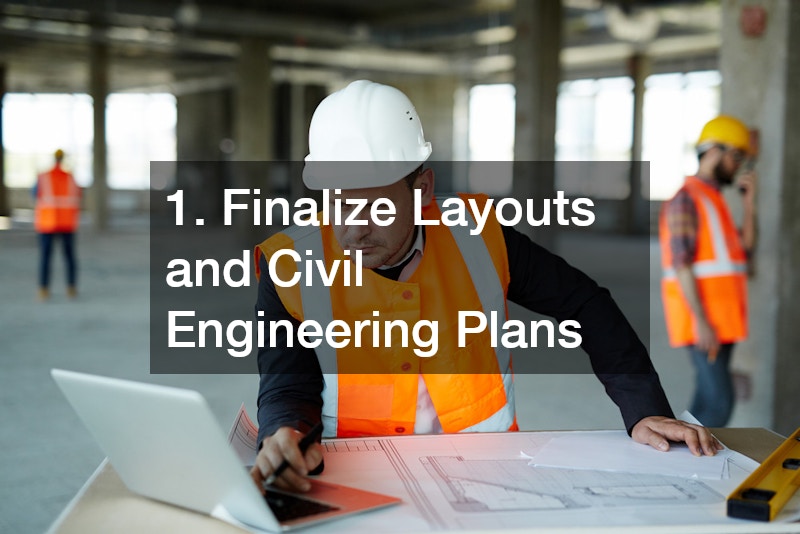
The first step in any successful site preparation strategy involves collaborating with experienced site designers. These professionals analyze the topography, soil composition, property boundaries, and drainage patterns of the parcel. Their designs dictate how the land will be contoured, where foundation footings will sit, and how stormwater runoff will be managed during and after construction. Ensuring these plans are meticulously reviewed prevents costly regrading work later in the process.
2. Secure Permits and Zoning Clearances
Every municipality has distinct requirements regarding industrial land use, environmental protection, noise ordinances, and traffic flow. Verify that all necessary earthwork, utility, and building permits are secured and posted on-site before initiating physical work.
3. Establish Risk Mitigation and Worker Safety Protocols
Industrial jobsites carry inherently high liability risks. During the planning phase, developer teams should consult a work injury attorney to review site safety protocols, contractor agreements, and insurance coverage requirements. Establishing clear safety guidelines early helps protect workers from hazardous conditions and shields project managers from legal disputes arising from on-site accidents or non-compliance with regulatory health and safety standards.
Stage 2: Environmental Remediation and Site Clearing
With plans in hand and permits secured, the physical transformation of the property begins. Preparing raw land requires clearing environmental hurdles before earthmoving equipment takes over. Long before massive bulldozers, scrapers, and excavators begin reshaping the terrain, project managers must thoroughly assess and mitigate the environmental conditions present on the parcel. Undeveloped property often contains delicate ecosystems, wetlands, protected flora, and native animal populations that require careful, lawful management. Skirting these initial environmental responsibilities in a rush to break ground is a recipe for disaster; a single oversight can trigger immediate regulatory intervention, leading to crippling stop-work orders, steep municipal fines, and severe reputational damage for the development firm.
Taking a proactive approach to environmental clearing ensures that the physical transformation proceeds smoothly without violating federal, state, or regional conservation mandates. Before heavy earthmoving machinery disturbs the topsoil, specialized environmental surveys must be conducted to establish clear boundaries around sensitive zones, such as protected wetlands or natural runoff channels. Delineating these restricted areas with heavy-duty silt fencing and protective barriers keeps heavy equipment from inadvertently encroaching on delicate habitats. Additionally, managing standing water, controlling invasive plant species, and mapping potential subsurface hazards are crucial preliminary steps that protect both the surrounding environment and the heavy machinery scheduled to operate on the terrain.
Furthermore, clearing these environmental hurdles sets a foundation of safety and predictability for civil engineering and commercial construction services. Unmanaged environmental factors—such as unstable subsoil saturated by unchecked drainage or hidden ecological hazards—can cause costly delays once major earthmoving operations are underway. By addressing ecological preservation, habitat relocation, and surface water management during this early window, site managers create an uninhibited, fully compliant workspace. This methodical preparation allows heavy equipment operators to focus entirely on grading, excavation, and structural preparation without the constant threat of unexpected environmental disruptions halting progress.
1. Address Local Fauna and Habitat Disturbance
Raw or long-vacant parcels are often home to local wildlife, including protected species of birds, reptiles, or mammals. Disturbing these animals improperly can violate regional wildlife protection laws, resulting in stop-work orders and heavy fines. Partnering with a professional wildlife removal business ensures that animals are safely and legally relocated away from the footprint of the construction zone before heavy machinery arrives.
2. Remove Vegetation and Surface Obstructions
Once the site is cleared of wildlife, land clearing crews can begin removing trees, brush, root systems, and boulders. Stripping the topsoil and storing it for later landscaping use is a critical sub-step. Clearing the ground creates an uninhibited workspace for heavy grading equipment and exposes the underlying soil for compaction testing.
3. Implement Soil Stabilization and Erosion Control
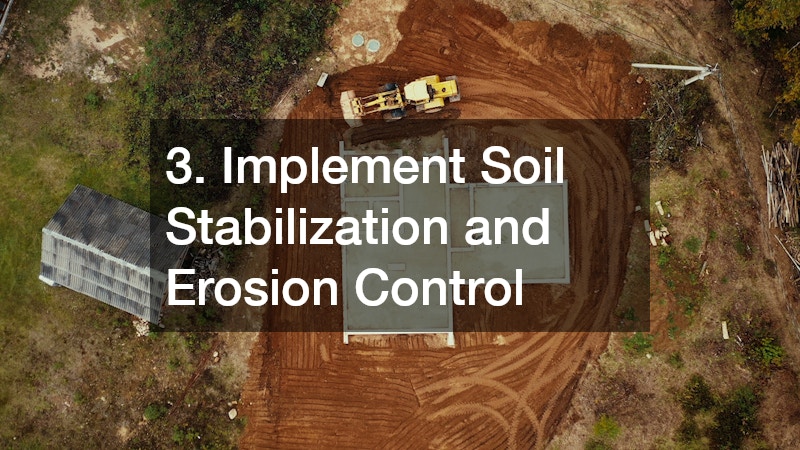
Exposed soil is highly susceptible to wind and water erosion. Install silt fences, sediment basins, and temporary slope stabilization measures around the site perimeter immediately after vegetation clearing. Controlling erosion keeps sediment out of local waterways and maintains soil integrity across the jobsite.
Stage 3: Waste Management and Material Handling Systems
An efficient jobsite is a clean and organized jobsite. Establishing waste management and material transportation pipelines early prevents site clutter, improves safety, and maintains project schedules. On large-scale industrial developments where multiple sub-contractors operate simultaneously, the sheer volume of debris, excess earth, packaging, and scrap metal generated can quickly overwhelm the terrain if left unmanaged. Allowing waste to accumulate not only restricts physical movement across the property but also introduces severe occupational hazards, including trip risks, puncture wounds, and potential fire threats. Implementing structured disposal systems right from the outset ensures that materials are funneled through clear, predictable channels, keeping work pathways open, minimizing double-handling, and allowing heavy machinery to maneuver without obstruction.
Effective material transportation pipelines are equally vital for maintaining operational momentum across expansive acres. Moving fill dirt, aggregate, gravel, and heavy equipment requires precise logistical coordination to ensure materials arrive at the exact location where crews need them, exactly when they need them. When haul routes and transit corridors are clearly demarcated and maintained, transit times drop significantly, reducing fuel consumption and preventing bottlenecks where earthmoving machinery congregates. Furthermore, designated staging areas—paired with efficient transport vehicles designed to shuttle loose debris and bulk goods across rough terrain—prevent raw supplies from being dumped haphazardly around active work zones.
Beyond immediate day-to-day productivity, robust waste and material logistics directly protect the project’s bottom line and environmental compliance. Systematic sorting of construction waste allows developers to segregate recyclable metals, concrete rubble, and cleared timber from general refuse, drastically lowering landfill tipping fees and aligning the development with modern sustainability metrics. Clean jobsites also make routine safety and engineering inspections faster and more straightforward, as inspectors can easily assess soil compaction, structural footings, and utility corridors without navigating dangerous piles of discarded refuse. Ultimately, treating waste management and material transport as fundamental infrastructure rather than site maintenance secondary thoughts fosters a culture of order, heightens overall crew morale, and keeps high-stakes industrial builds moving forward without costly structural or legal delays.
1. Position Large-Capacity Waste Containment
Debris accumulates rapidly during site prep. Demolition materials, packaging, tree limbs, and excess building materials require structured disposal methods. Arranging for roll-off dumpster rental services places heavy-duty disposal units strategically across the site, ensuring sub-contractors have clear zones to discard waste without creating hazard piles.
2. Deploy Flexible Material Transport Equipment
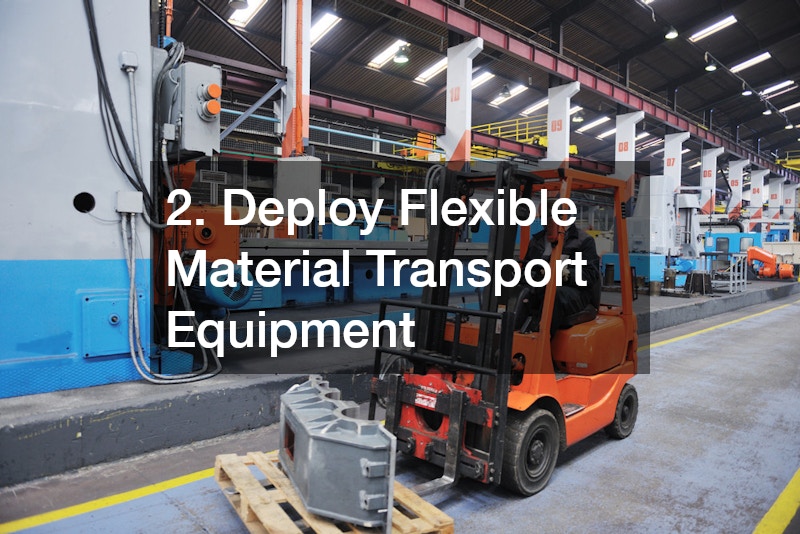
While stationary dumpsters handle high-volume waste, nimble transport equipment is required to move loose earth, gravel, and smaller debris loads across sprawling industrial acreage. Operating a maneuverable dump trailer gives site managers the flexibility to transport fill dirt to low spots, haul away scrub vegetation, or transfer small batches of stone right to where crews are working.
3. Establish Dedicated Staging and Recycling Zones
Designate distinct areas for staging incoming raw materials and separating recyclable construction materials, such as concrete rubble and scrap metal. Keeping materials organized reduces double-handling and minimizes transit time for machinery moving across the site.
Stage 4: Temporary Utilities and Subsurface Infrastructure
Industrial builds require utility access long before permanent grid connections are established. Because major manufacturing plants, logistics hubs, and energy facilities are frequently constructed on raw, undeveloped acreage, the immediate jobsite is usually a blank slate devoid of municipal hookups. Without proactive planning, this lack of basic infrastructure can grind early-stage civil engineering and earthmoving operations to a screeching halt. Consequently, establishing a robust temporary utility ecosystem—encompassing water, power, and sanitation systems—is non-negotiable for keeping crews working safely, efficiently, and comfortably through the initial phases of development.
Water management is perhaps the most pressing logistical hurdle during early site prep. Heavy construction activities demand massive volumes of water daily for dust suppression, soil compaction testing, and concrete mixing. On sites where municipal lines are miles away, contractors must establish reliable temporary supply lines or localized extraction systems to feed water trucks and mixing stations continuously. Without a steady, accessible water source, dust clouds violate environmental regulations, sub-base compaction fails laboratory standards, and concrete pours risk structural integrity due to improper curing conditions.
Simultaneously, powering a sprawling industrial jobsite requires heavy-duty infrastructure well before the local utility provider can tie the facility into the permanent electrical grid. Contractors rely on banks of industrial-grade diesel generators and temporary distribution panels to run everything from heavy welding equipment and dewatering pumps to trailer offices and site security systems. Reliable temporary power also feeds comprehensive site-wide lighting towers. Because industrial projects often operate on compressed timelines involving multiple shifts, adequate after-dark illumination is essential for maintaining momentum while safeguarding workers and expensive machinery from theft or hazardous missteps.
Equally critical to a successful site launch is the deployment of comprehensive sanitation infrastructure. A productive, focused workforce requires clean, reliable basic amenities. Strategically positioning high-capacity portable hygiene units across sprawling acreage ensures that sub-contractors do not waste valuable production time walking back and forth to distant facilities. Proper waste management and routine servicing schedules for these units maintain strict compliance with occupational health standards while dramatically boosting crew morale, reducing fatigue, and preventing health issues on the ground. By treating temporary utilities as a core operational priority rather than an afterthought, project managers eliminate costly downtime and protect worker welfare.
1. Secure On-Site Water Resources
Water is essential during the early stages of industrial construction for dust control, soil compaction, concrete mixing, and equipment washdowns. In areas where municipal water hookups are not yet accessible, contracting local water well companies to drill temporary or permanent water wells provides a reliable, high-volume water source right on property, keeping operations moving without relying on water haulers.
2. Install Temporary Power and Lighting

Set up temporary electrical panels, generators, and site lighting towers. Adequate lighting is vital for early morning or late evening shifts, ensuring security and visibility across the site perimeter.
3. Set Up Essential Crew Sanitation
A productive workforce requires reliable basic amenities. Position a sufficient number of portable toilet units near primary work zones, ensuring they are serviced regularly. Adequate sanitation facilities boost crew morale, maintain jobsite hygiene, and fulfill basic workplace health compliance requirements.
Stage 5: Structural Foundation Work and Material Logistics
With the land cleared, graded, and serviced by temporary utilities, site prep transitions into heavy structural assembly. Sourcing high-quality raw materials and securing heavy lifting machinery are the final pieces of the preparation puzzle.
1. Source Structural and Fabrication Materials
Establishing dependable supply chains for core building components is critical to avoiding construction delays. Partnering with local metal suppliers allows contractors to secure structural steel beams, rebar, sheet metal, and custom framing components quickly. Sourcing metal locally reduces shipping costs, simplifies logistics, and ensures steady delivery schedules aligned with the construction timeline.
2. Rig and Execute Heavy Machinery Operations
Industrial developments often feature prefabricated concrete walls, heavy structural steel frames, and massive HVAC or manufacturing equipment. Coordinating crane rental services ensures certified operators and properly sized mobile or tower cranes are on hand to lift, position, and set heavy structural components safely as the build rises from the pad.
3. Conduct Final Pad Inspections
Before pouring permanent footings or setting structural columns, perform rigorous soil density tests and structural inspections across all building pads. Verifying that the pad meets engineers’ precise compaction specifications ensures the site will support the load of the finished industrial facility for decades to come.
Streamlining Industrial Site Execution
Preparing a site for industrial development requires balancing multiple moving parts—from legal safeguards and environmental stewardship to utility installation and heavy logistics. By following a structured checklist, project directors can streamline vendor coordination, protect their workforce, and keep timelines on schedule. Executing thorough preparation at the outset transforms raw land into a build-ready foundation, setting the entire industrial project up for long-term success.