A commercial property is far more than just a physical structure of brick, steel, and glass. For a business owner, real estate investor, or facility manager, it represents a significant engine of wealth, a primary operations base, and a critical asset on the balance sheet. However, the true value of commercial real estate does not remain static. It is constantly under siege by environmental elements, daily operational wear, and the natural depreciation of mechanical systems. The differentiator between an asset that appreciates over time and one that turns into a financial drain is the management philosophy applied to its care.
Far too many property managers fall into the costly trap of reactive maintenance. This approach dictates that infrastructure is only addressed when it breaks down entirely. Reactive maintenance is inherently inefficient and expensive, forcing you to pay premium emergency rates, endure extended operational downtime, and face disgruntled tenants or interrupted business operations.
To build a true commercial empire, you must transition from a reactive mindset to a proactive framework. This means implementing structured, predictable upkeep protocols that preserve capital, protect building occupants, and extend the functional lifespan of every facility component. This comprehensive guide provides a practical, step-by-step blueprint to organize, execute, and optimize your commercial property maintenance strategy.
1. Establishing a Preventive Facility Infrastructure
The electrical and interior infrastructure forms the central nervous system of any commercial enterprise. Waiting for a system failure in these areas does not just cause a minor inconvenience; it can halt operations entirely or create catastrophic safety hazards. Establishing a preventative routine ensures your facility remains safe, functional, and aligned with local building codes.
For electrical systems, a structured protocol should involve regular thermal imaging and load-testing of panels. Overloaded circuits and degrading wires generate heat before they fail, which can be detected early through infrared scans. This allows facility managers to schedule brief, planned shutdowns to swap out failing breakers rather than facing sudden, unmapped power outages.
Simultaneously, the physical interior spaces require consistent aesthetic and structural monitoring. High-traffic hallways, entryways, and warehouse bays are subjected to constant impacts from moving equipment, carts, and personnel. Left unaddressed, minor blemishes can compromise fire-rated barriers or acoustic balances.
To execute this level of oversight, property teams must align themselves with specialized trades. Partnering with certified commercial electricians allows for scheduled, comprehensive system audits that keep the building’s power grid stable. Additionally, maintaining an ongoing relationship with a reliable commercial drywall contractor ensures that wall breaches, moisture damage, and structural partition degradation are repaired immediately, preserving the safety and visual appeal of your interior workspace.
2. Optimizing High-Traffic Sanitation and Waste Management
First impressions matter immensely in commercial real estate. The cleanliness of a property directly influences brand perception, tenant retention, and employee productivity. A building that appears neglected or suffers from poor waste management will naturally see a decline in asset value and tenant satisfaction.
Managing facility sanitation requires a dual-layered approach that addresses both daily hygiene and periodic large-scale waste logistics. Daily cleaning protocols must focus heavily on high-touch surfaces, common areas, restrooms, and lobbies. This continuous upkeep prevents the spread of illness and maintains a polished corporate image.
On the structural side, properties frequently undergo transitions—such as tenant move-outs, seasonal cleanouts, or minor interior remodels—that generate massive quantities of debris. If this refuse is allowed to pile up in loading docks or parking lots, it quickly becomes an eyesore, a fire hazard, and a magnet for pests.
Maintaining this equilibrium requires specialized exterior and interior sanitation support. Outsourcing your facility’s daily hygiene needs to a commercial cleaning service ensures that janitorial standards remain consistently high without burdening your internal management staff. A commercial cleaning service is generally available locally. When dealing with the inevitable surges of debris from renovations or deep property cleanouts, utilizing professional commercial dumpster rentals allows your team to centralize waste disposal safely, keeping the exterior grounds pristine and code-compliant.
3. Protecting the Building Envelope and Structural Integrity
A building’s envelope is its first and most critical line of defense against weather, temperature fluctuations, and environmental decay. Water infiltration is arguably the single greatest threat to a commercial structure’s long-term viability, as a small leak can silently destroy insulation, breed mold, and weaken structural steel or wood framing over time.
Managing this risk requires a rigid bi-annual inspection routine, ideally conducted in the spring and autumn. Inspectors should look for pooling water, compromised flashing, degrading sealants, and clear signs of membrane punctures. Wind storms, hail, and extreme UV exposure constantly degrade upper barriers, meaning that minor issues can escalate into massive capital expenses if left ignored for a single season.
Furthermore, a comprehensive structural plan must account for both long-term asset lifecycle extensions and immediate emergency preparedness. When a major storm hits, having a pre-vetted network ready to respond can save hundreds of thousands of dollars in ruined inventory and interior infrastructure.
To manage this vulnerable boundary effectively, it is wise to engage a certified commercial roofing contractor to perform detailed structural audits and administer preventative coatings that reflect UV rays and seal micro-fissures. Should severe weather cause sudden, unforeseen damage, having immediate access to rapid-response commercial roofers ensures your facility can be secured with emergency tarping or structural patches before water compromises the interior assets.
4. Safeguarding Commercial Utility and Plumbing Systems
Commercial plumbing networks operate under immense stress compared to residential systems. They must handle significantly higher volumes of water usage, manage complex industrial waste, and conform to strict health and environmental regulations. A single major backup can force an entire facility to close its doors, costing thousands of dollars in lost revenue per hour.
Preventative maintenance for commercial plumbing involves regular monitoring of main lines, grease traps, backflow preventers, and boiler systems. Over time, mineral scale, organic waste, and debris accumulate inside pipes, narrowing the flow path and increasing system pressure. Proactive hydro-jetting clears these blockages before they cause a full system reversal.
Additionally, facility managers must stay ahead of utility efficiency. Outdated fixtures, slow leaks, and inefficient water heaters silently inflate monthly operating expenses while placing unnecessary strain on the broader infrastructure.
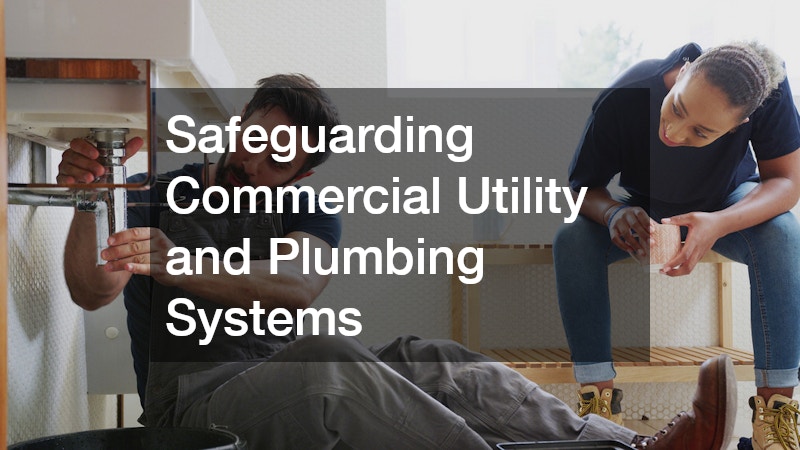
Partnering with an experienced commercial plumbing company allows you to schedule comprehensive system audits, test backflow valves for regulatory compliance, and plan structured equipment upgrades. To complement this, establishing a recurring maintenance contract with specialized commercial drain cleaning companies ensures that high-volume waste lines are kept entirely clear of obstructions, mitigating the risk of sudden, disruptive sewage backups.
5. Streamlining Vendor Management and Operational Cleaning
The logistics of managing a commercial facility involve juggling dozens of distinct moving parts, from tracking service contracts to evaluating vendor performance. Property managers who attempt to handle every task on an ad-hoc basis quickly find themselves overwhelmed by administrative friction and inconsistent service quality.
The key to operational efficiency lies in transitioning from scattered, one-off service receipts to structured Master Service Agreements. This strategy allows you to lock in predictable, negotiated rates and guarantees priority response times during peak demand seasons. It also gives management a clear framework for auditing vendor performance against strict key performance indicators.
Operational cleaning and structural coatings are two areas where consistent vendor oversight yields high financial returns. Ensuring that cleaning crews use appropriate, non-destructive chemicals protects flooring investments, while applying specialized protective coats to building elements prevents premature weathering.
When managing these ongoing contracts, structuring your agreements around professional commercial cleaning parameters guarantees that high-traffic areas are sanitized using industrial-grade techniques that protect the building’s occupants. Simultaneously, integrating protective treatments into your overall commercial roofing strategy ensures the building’s topmost barrier remains highly resilient against environmental degradation, saving capital over the long term.
6. Managing Climate Control and Energy Efficiency
Maintaining a comfortable indoor environment is essential for tenant satisfaction, employee health, and the proper functioning of sensitive electronic equipment like server rooms. Commercial heating, ventilation, and air conditioning systems are massive mechanical ecosystems that require continuous calibration to run efficiently.
A proactive climate strategy centers around routine air filter replacements, coil cleaning, and belt inspections. Clogged filters force fan motors to work significantly harder, which drives up energy consumption and accelerates mechanical wear. System calibrations should also include checking refrigerant levels and auditing thermostat programming to match actual building occupancy hours.
Beyond mechanical adjustments, modern facility managers should leverage automated building management systems. These platforms monitor indoor air quality, track energy consumption spikes in real-time, and alert maintenance staff to minor equipment anomalies before a total system breakdown occurs.
7. Enhancing Exterior Grounds and Parking Infrastructure
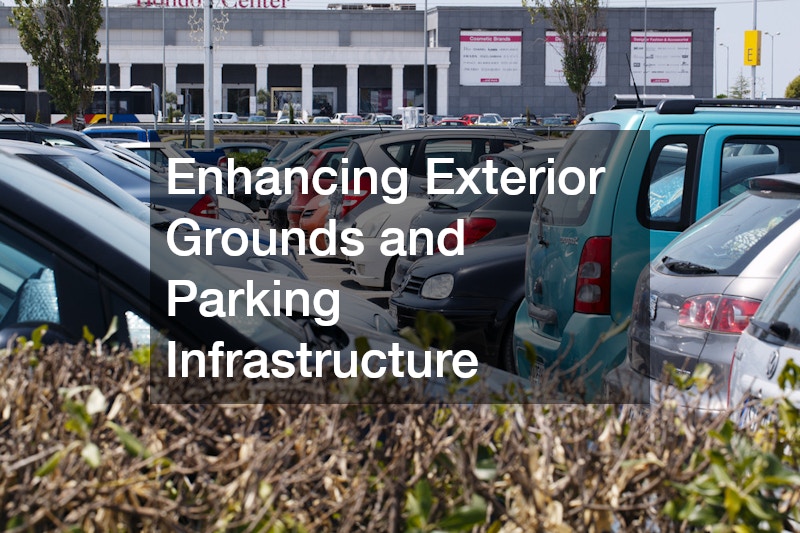
The exterior grounds of a commercial property serve as the physical introduction to your business empire. Neglected landscaping, faded asphalt markings, and cracked sidewalks send a message of poor management and can create significant liability hazards for pedestrians and vehicles.
Asphalt maintenance requires a multi-year cycle of crack sealing, pothole patching, and sealcoating. Water that seeps into asphalt cracks will eventually erode the underlying base material, leading to costly structural failures known as alligator cracking. Catching these cracks early and sealing them prevents water intrusion and extends the pavement’s lifespan.
Moreover, exterior lighting audits must be conducted regularly. Ensuring that parking lots, walkways, and loading docks are brightly illuminated deters criminal activity, reduces premises liability risks, and provides a safe environment for late-shift workers and evening patrons.
8. Implementing Advanced Fire and Life Safety Protocols
Life safety systems are the most heavily regulated components of any commercial structure. Compliance with National Fire Protection Association codes is not optional; it is a strict legal requirement that directly impacts building insurance policies and operational permits.
A robust safety protocol requires a clear schedule of automated and manual testing. Fire alarms, smoke detectors, pull stations, and emergency exit lighting must be verified monthly. Fire extinguishers must be inspected, tagged, and strategically mounted throughout the facility according to local occupancy hazards.
Additionally, fire sprinkler systems and suppression arrays require annual certification by licensed inspectors. Property managers must ensure that storage layouts inside warehouses or utility rooms never obstruct sprinkler heads, as proper clearance is required for the system to suppress a fire effectively.
9. Prioritizing Security and Access Control Frameworks
Protecting physical assets, proprietary data, and human lives requires a sophisticated, multi-layered security framework. Modern commercial properties must move away from simple mechanical locks and embrace integrated digital access control systems.
Digital access management allows administrators to grant or revoke building privileges instantly, track personnel movement through sensitive zones, and restrict entry during off-hours. Keyless entry logs provide an immutable digital audit trail that is invaluable during internal investigations or insurance claims.
This digital framework should be paired with high-definition surveillance networks and physical security barriers. Cameras should cover all entry points, blind spots, perimeter fencing, and loading bays. Regularly testing backup power supplies ensures that security systems remain fully operational even during a prolonged municipal power failure.
10. Constructing a Digital Capital Replacement Timeline
Every physical component of a commercial building has a finite operational lifespan. No matter how meticulously a system is maintained, components like chillers, roofs, elevators, and main electrical panels will eventually reach the end of their economic usefulness and require complete replacement.
Successful asset management relies on creating a detailed capital replacement timeline, often spanning ten to twenty years. This document tracks the installation date, expected lifespan, current condition, and estimated replacement cost of every major asset within the facility.
By projecting these large expenditures years in advance, property owners can establish dedicated capital reserves. This financial forecasting prevents the sudden shock of a six-figure equipment failure, ensuring that the funds required for major structural upgrades are readily available without disrupting the company’s primary cash flow or investment momentum.
Building a successful commercial asset portfolio requires a shift from short-term fixes to long-term operational excellence. By transforming your facility management from a chaotic, reactive scramble into a predictable, proactive science, you protect your capital, insulate your investments from rapid depreciation, and ensure operational continuity.
The strategy outlined in this guide provides the necessary foundation to organize your vendors, track system lifecycles, and maintain a pristine physical environment. Treat your facility maintenance not as an unavoidable operational expense, but as a core investment strategy. With a structured blueprint, clear vendor accountability, and a commitment to preventative care, you secure the longevity, safety, and profitability of your commercial footprint for decades to come.